

Robert Meyer
Project Management
Renewable Energy Project Management Specialist

Executive Summary
Robert Meyer started his engineering and project management career in 1993 as Construction Manager, followed by extensive experience in industrial and mining supply chain systems and logistics. Robert held various senior management positions since 2003, including Managing Director of a logistics company he founded, followed by project management positions at multinational engineering and energy companies.
As an independent consultant and project manager specialising in energy efficiency and renewable energy projects, Robert developed and executed various greenfield projects, including utility scale solar photovoltaic (PV) projects in excess of 740 MW, valued at more than USD 640 Million. Representing Independent Power Producers (IPPs) and Engineering Procurement & Construction (EPC) Contractors, he was involved throughout the entire project life cycle, from initiation to closeout on many of these projects.
Robert was further responsible for the development
and implementation of project recovery plans to salvaged projects in distress at the time of appointment.
Other competencies include contract management, the development and implementation of document control systems and value engineering. Robert executed projects in South Africa, Mozambique, Namibia, Kenya, and the United Kingdom. As a clear and courteous communicator, he effortlessly inspires cooperation and trust among multicultural teams, across various skill levels.
After graduating with two National Diplomas in Electrical Engineering from the Pretoria West College of Engineering in South Africa (1997), Robert completed various other courses throughout his career, including risk management, project management software applications and Project Management Certificates from the George Washington University School of Business, based on the Project Management Book of Knowledge (PMBOK®).
MW OF SOLAR PV PROJECTS
TOTAL PROJECTS VALUE USD MILLION
Why Choose Us ?
As competent and experienced project managers we pride ourselves on establishing long term relationships with our clients. We conduct our business in an ethical manner and follow a holistic approach to achieve performance excellence. Utilising our extensive network of industry specialists increase our capacity and efficiency to the benefit of our clients.

Integrity
About a century ago, a person’s handshake was just as good a written contract. People stood by their handshakes and a person’s reputation was made or lost on his ability to keep a promise. We conduct our business by this ethos. Our reputation is our most valuable asset, integrity, our core value. We treat all project stakeholders with respect, keep sensitive information strictly confidential and advise our clients objectively, without fear or favour. As an independent service provider we are not influenced by internal politics. We always advise our clients on what they need to know, not necessarily what they want to hear. This is especially relevant to projects, as project outcomes are determined by facts, not promises.

Competence
Project management is as much an art, as a science. Will James Durant, the American writer, historian, and philosopher once wrote: “Every science begins as philosophy and ends as art; it arises in hypothesis and flows into achievement.”
The art of project management is the ability to anticipate chaos and handle issues as they arise, often with no warning and no definite solution. The science of project management is the use of defined processes, such as those documented in the Project Management Book of Knowledge (PMBOK®), to help avoid the chaos, mitigate risks and understand the processes to handle issues.
Our ability to combine engineering and project management knowledge with experience, attention to detail, problem solving and leadership, enable us to seamlessly partner with our clients to deliver projects successfully.

Experience
We have a proven track record of successfully completing projects, or recovering projects which were in distress at the time of our appointment. Our involvement throughout the entire project life cycle, from initiation to closeout, enable us to identify project risks well in advance and put measures in place to mitigate these risks.
Our experience in formulating practical and cost-effective project execution organisational structures, drafting of industry best practice protocols and incorporating lessons learned into our project management plans, will ensure your projects are executed effectively and efficiently.
With a combined solar PV installed capacity of more than 300MWp (DC), valued at approximately USD 267 Million and having executed projects in South Africa, Namibia, Mozambique, Kenya and the United Kingdom, we are well positioned to deliver your projects on time, within budget, without compromising quality, in a safe and efficient manner.

Professional Network
Our extensive network of highly qualified, competent, experienced and ethical professionals, consultants, service providers, contractors and equipment suppliers was formed over more than twenty years. To best service our clients, we form partnerships, or draw upon these expertise, many with whom we have worked with on previous projects. We advise our clients on selecting the best possible resources for their unique project circumstances and location, in an independent and unbiased manner.

Holistic Approach
The yardstick by which a project’s success is measured is not limited to the timeous completion of the project within budget. What also matters is, inter alia, whether the project was completed without any Time Loss Injuries, or any other serious incidents such as industrial action taken by disgruntled employees and labourers, whether the project was beneficial to the local community and whether the project was executed in an environmentally responsible manner.
We pride ourselves in taking a holistic approach to project management, ensuring the integrity of your business model, your reputation in the industry and the sustainable growth of your business.
Capabilities
Robert Meyer Project Management (RMPM) provides renewable energy project and construction management services throughout the entire project life cycle, from initiation to closeout. We are specialist in the development and execution of Utility Scale Solar PV and Hybrid Renewable Energy Power Projects. Our Clients / Employers include Project Developers, Independent Power Producers (IPPs) and Engineering Procurement and Construction (EPCs) companies. We provide comprehensive turnkey EPCM services, or ad hoc consultancy services.

Project Management & Project Development
We pride ourselves as specialist in the execution of utility scale grid connected greenfield solar PV projects and have developed a range of industry specific tools to effectively manage resources and mitigate risks, ensuring your project will be safely executed to the highest possible standards. Our Project Management Suite is a comprehensive project management solution throughout the project life cycle, from initiation to closeout. We follow project management fundamentals based upon proven guidelines such as the Project Management Book of Knowledge (PMBOK®) and Lean Construction Methodologies, when applicable.
Through effective communication and continuous collaboration, we ensure that stakeholders are timeously informed about all matters relating to the project. To safeguard against reckless distribution of confidential, or sensitive information, we strictly adhere to predefined Communication Protocols. If required we assist our clients with the development of a document control procedure, a communication matrix and distribution list. Once appointed, we act as the client’s single point of contact for all project related matters and liaise with the Owners Engineer (OE), Lenders Technical Advisor (LTA), the off-taker’s project manager, government officials, local authorities, labour representatives and trade unions, supplier and contractor representatives, or any other stakeholder involved in the project. We further arrange and chair all project related meetings on behalf of our client, including the taking of minutes and the distribution thereof to the relevant parties.
Our Project Management Suite could be tailored as a fulltime dedicated project management service for project developers, Independent Power Producers (IPPs), Engineering, Procurement & Construction (EPC) Contractors, or any other entity which require our services. We provide advisory services during EPC Contract negotiations, or during direct negotiations with suppliers and contractors if we are appointed as an EPCM service provider. We advise our clients on commercial and construction risks, enabling them to make informative decisions, before entering into formal agreements.
Alternatively, for some Owners or Employers who wish to procure their own materials and equipment and appoint designers, contractors and suppliers directly, we offer a comprehensive Engineering, Procurement & Construction Management (EPCM) service, tailored to your specific project requirements.
Either way, as a comprehensive service offering, we take full responsibility of your project, in accordance with industry best practice, only limited by our Terms of Reference agreed upon prior to our appointment, the subsequent Project Charter formally approved by the Project Sponsor, or any other limitations in terms of our contractual obligations.
Project Development is the process of developing opportunities into bankable projects by identifying risks and opportunities. The determination of a renewable energy project’s bankability must be the very first step, before any other factors are considered. Pursuing potential renewable energy opportunities which are not bankable is a futile exercise, irrespective of how much money, time and resources are being spent. We enable our clients to make informed decisions by selecting only bankable projects worth pursuing. Exercising due diligence on off-takers, EPCs and / or Subcontractors, and other stakeholders, conducting technical feasibility, grid, and other studies, and considering all other relevant information is part of the process.
We follow a structured and industry proven phased process, tailor made specifically for the development of renewable energy projects. Utilising decision gates throughout the various project development phases enable our clients to eliminate or mitigate risks before committing further development funding. We advise our clients throughout the entire process, from the identification of an opportunity until the project reaches financial close.
Our services include the identification of suitable land, initial negotiations with potential landowners, assisting our clients with relevant statutory requirements, authorisations and permitting requirements, as well as financial models.
Our indebt knowledge and a thorough understanding of fully wrapped EPC contracts used in the renewable energy sector enables us to draft industry specific Request for Proposals (RFQs), evaluate and adjudicate RFQ submissions and advise our client to make sound decisions and selections, best suited to their specific project requirements and appetite for risks.

Construction Management, Contract Management & Document Control
Our Construction Management services are offered either as an all-inclusive Engineering, Procurement & Construction Management (EPCM) solution for the project’s Owner or Employer, or as a professional service provider overseeing the planning, design, construction and commissioning of your project, representing the EPC Contractor. To ensure your project remains cash positive, we meticulously plan and execute the works in terms of the Payment Milestone Schedule, without compromising any health, safety and environmental (HSE), or quality standards.
We also provide specific preconstruction services for project Owners or Employers and EPC Contractors, either included in our comprehensive EPCM solution, or offered as ad hoc services. These include, but are not limited to, preconstruction site visits, site specific risk assessments, evaluating, selecting, appointing and the overseeing of surveyors, as well as geotechnical and topographical service providers. We further assist our clients with the evaluation of proposals from other professional service providers, suppliers and subcontractors. Additional services include preparing detailed project logistics plans, drafting of quality control (QC) procedures, including the identification of inspection and holding points, health, safety and environmental (HSE) protocols, as well as the preparation of emergency evacuation procedures.
We further assist our clients with Construction Work Permit applications and other statutory construction documentation. When Work Permits for expat construction management personnel, engineers, or other specialists are required, we work closely with our clients and immigration agents to successfully apply for such permits with the relevant government departments. During the construction phase, we take full responsibility of all matters relating to the construction site, including engagement with local communities and authorities.
We effectively manage all site works and related activities, including logistics and subcontractors from site establishment until final handover, including the removal of temporary site infrastructure used during construction. We also oversee any post construction environmental rehabilitation works, if required.
The meticulous management of agreements entered into by the respective parties is imperative for the successful delivery of renewable energy projects. Contract Management is the cornerstone on which the success of a project depends and is often neglected or deemed to be of less importance. Parties must continuously fulfil their respective contractual obligations throughout the project life cycle, from initial negotiations until final completion. To maximise operational and financial performance project deliverables must be measured against the contract terms, nothing more, but certainly nothing less. Proper contract management reduces risks by ensuring timeous information flow to the benefit all parties involved.
We are well rehearsed with FIDIC Silver Book and NEC4 contracts and have extensive experience in managing bespoke fully wrapped EPC contracts, predominantly used in the renewable energy sector. Notwithstanding, we are acutely aware of de-risking a project in theory versus de-risking a project in practice. We, therefore, even before contracts are signed, advise our clients in drafting commercial terms and conditions and Project Documents in a manner that does not contradict anything which could not be executable in practice, especially during the construction phase of the project. Alignment of the project’s programme and Payment Milestone Schedule is of particular importance, ensuring projects remain cash positive, or cash neutral. When back-to-back agreements are considered, we advise our clients with the drafting of the agreements to ensure practical compatibility between the respective upstream and downstream contracts.
During execution we actively manage the respective agreements continuously by, inter alia, timeously submitting contractual notices to the respective parties in terms of the relevant contract clauses, ensuring our clients fulfil their contractual obligations in terms of such notices, especially if such notices are time barred.
We have in depth knowledge of the different agreements and their purposes, whether it is Shareholder Agreements for the Special Purpose Vehicle (SPV), Power Purchase Agreement (PPA) between the Off Taker and the Independent Power Producer (IPP), Grid Connection Agreements between IPPs and Utilities, Transmission Agreements, Wheeling Agreements, Implementation Agreements, EPC Agreements, Subcontractor Agreements, Service Level Agreements (SLA’s), Onshore and Offshore Agreements, Supply Agreements, etc. We fully understand the interrelationship between the respective agreements and associated risks. We advise our clients with drafting of Commercial Structures ensuring all parties and stakeholders are aligned and understand their respective contractual obligations.
Our Contract Management services are either offered as a standalone service, or part and parcel of our comprehensive Project Management Solution throughout the project life cycle, from initiation, followed by contract negotiations prior to signature date and thereafter until the final completion of the project, or termination of the contract. If unavoidable, we also advise and guide our clients throughout the dispute resolution process, by submitting detailed substantiated reports in an effort to resolve any contractual disputes, which may arise from time to time.
Document Control is an essential project execution function. It ensures that all documents, including Contracts, Service Level Agreements (SLAs), drawings, OEM Datasheets, FAT Reports, Delivery Notes, Quality Control Check Sheets, Applications for Interim Payments (AIPs), invoices and statements, Contractual Notices, etc., are created, reviewed, distributed, transmitted, archived, or disposed of in an organised, secured and verifiable manner. A fully functional and professionally managed document control system ensures documents are easily traceable and accessible to the relevant authorised parties as and when required.
Our Document Control service offering is technology agnostic. We are not biased towards any specific software and will optimise our client’s document control processes, irrespective of the selected, or preferred platform. We have developed industry specific document control processes which are graphically displayed by means of easy to understand flow charts which include design review procedures, transmittal procedures, as well as site documents and drawing distribution procedures.
During project execution we appoint a fulltime Project Document Controller to ensure the effortless implementation and management of the document control procedure. Key Functions include the compilation of the Master Documents List (MDL) and Drawing Register (DR), updating of the MDL and DR, the transmittal and receival of relevant Project Documents, archiving of documents, compiling of the As-Built Document Pack, training and guidance to all relevant stakeholders and ensuring that the document control procedure is strictly adhere to.

Project Planning, Analysis & Control
Project Planning, Analysis and Control are project management fundamentals across the entire project life cycle and are part and parcel of our Project Management and Construction Management service offerings. Notwithstanding, some clients prefer to appoint us for specific project management related services on an ad hoc basis, especially during the crucial project initiation and planning phases, or during the execution phase of their projects.
Services include, but are not limited to, the drafting of the Project Charter and a Communication Protocol, conducting of risk assessments, developing project organisational structures (organograms), cost analysis and estimating, developing the Project Resource Plan and Baseline Project Programme (Schedule), formulating the Projected Cash Flow Statement and Payment Milestone Schedule, drafting and / or reviewing EPC Contract Documentation, as well as evaluating proposals from identified suppliers and contractors.
During execution, we prepare detailed project status and progress reports on a daily, weekly, and monthly basis, always ensuring that the minimum contractual reporting requirements of third parties are met. In addition, we prepare reports exceeding these minimum requirements, specifically to highlight existing challenges and risks, exclusively for our clients. Such reports are confidential and enable us in collaboration with our clients to take preventative action and risk mitigation measures in advance, avoiding the necessity for crisis management at a later stage. Utilising S-Curves and other industry specific benchmarks and standards, combined with additional mechanisms and tools developed by us, ensure we accurately measure project progress against established baselines.

Project Recovery & Implementation
When a project has deviated past acceptable thresholds intended by performance baselines, swift intervention is required to prevent the project’s continuous path to failure. When a project has deviated more than 20% from its baselines, professional intervention is indispensable. As specialists in formulating project recovery programmes and the implementation thereof, we advise our clients rapidly, but thoroughly about the current status of the project and the necessary actions required to immediately improve performance, as the first step to recovery, followed by a comprehensive root cause analysis.
We have developed our own project recovery methodology and painstakingly follow predefined steps, which include conducting interviews with all stakeholders, analysis of all project related data, preparing, drafting and submitting of a Project Status & Risk Analysis Report, formulating manageable short term deliverables and with consensus and authorisation from executive management implement the comprehensive Project Recovery Plan.
During the project recovery implementation phase we keep our clients informed on a daily basis by preparing and submitting real time data of the project’s status. We developed an easy to understand dashboard format, clearly displaying all the key project progress indicators at a glance, for simple analysis, enabling quick decision making. When recovering projects, we mainly use Agile Project Management methodologies, characterized by constant iteration and collaboration with all stakeholders to achieve the desired outcomes.

Conceptual Design & Value Engineering
Since 1993 we have seen many design drawbacks of certain electrical equipment and components used in construction projects. Such products are either unreliable, insubstantial, or difficult to install resulting in additional time required for the installation. These are usually less expensive, but of inferior quality. The main objective to reduce costs at the expense of quality, is simply a cost-cutting strategy, but destroys value.
In terms of most Power Purchase Agreements (PPAs) and EPC Contracts, solar PV power plants must perform reliably for at least twenty years, under normal operating conditions. Using inferior quality equipment and components could lead to loss of energy production, therefore revenue, as well as excessive maintenance and replacement costs. Choosing less expensive equipment and materials without taking the inherent quality of the product, or the required installation time during construction into consideration, could be counterproductive.
We have an in-depth understanding of construction methods and associated risks developed over many years. Our conceptual designs are not limited to equipment and components. We also advise our clients on improved civil and structural designs, based on lessons learned over a period of more than two decades. Several of our proposed conceptual designs have made it to the detailed design stage. We are continuously developing new concepts that enhance both the quality of the installation and increase the productivity on site.
It is critical to finalise design concepts during the project’s early initiation and planning phases. Our service offering includes conceptual designs of temporary site offices, other infrastructure and laydown areas for construction purposes, general arrangements (GA) of solar PV power plants, internal access roads, stormwater management systems, photovoltaic arrays, operations and maintenance (O&M) buildings and warehouses, rainwater harvesting and reverse osmosis plants, power plant control buildings, inverter stations, inverter station foundations, string combiner boxes (SCBs) and cable management systems.
Project Portfolio
We have developed and managed a diverse variety of renewable energy projects over many years. Each project had its unique challenges, but through a structured approach, we maximized our client’s return on investment at acceptable risk. On some projects our involvement was throughout the project life cycle, while on others we were appointed to address specific challenges, or to recover projects that were in distress. Below are a few examples of our involvement in renewable energy projects during the last ten years.
400 MWp Various Projects: Dispatchable Renewable Energy Hybrid Power Generation Facilities and Utility Scale Grid Connected Private PPA Solar PV and Wind Farm Projects – Project Development Services prior to Financial Close (“FC”) and Notice to Proceed (“NTP”)*
*Disclaimer – Projects mentioned under this section are or were, or still is under development. Information regarding these projects are subject to confidentiality and non-disclosure agreements. Detailed information is purposedly omitted to protect the interest of the respected parties. Although the information provided is based on actual services rendered, any assumptions made with respect to actual projects are purely coincidental.
Together with experienced teams, services providers and consultants, we developed various projects form the early initiation phase until Financial Close (“FC”) and / or Notice to Proceed (“NTP”). Our services included, inter alia, the identification of suitable land, negotiations with landowners to obtain lease agreements, pre-feasibility and feasibility studies, grid studies, liaison with lenders, drafting of Request for Proposals (“RFPs”), compiling of financial models and due diligence on potential offtakers.
We further supported our clients with obtaining the necessary statutory authorisations, approvals and permits required to enable their projects to reach FC up and to the shovel ready stage, prior to NTP.
As Project Managers, we were responsible for structuring the projects, which included among other activities, the drafting of the Commercial Structures, Operational Structures, Execution Structures, project schedules (programme), as well as Payment Milestone Schedules to the benefit of all stakeholders, whether it be the client, the service provider, or the EPC Contractor. By establishing an effective working relationship between all parties in the interest of the projects, we worked closely together with the financial and legal teams of the respected entities and drafted various agreements such as Joint Development Agreements (“JDAs”) and Collaboration Agreements, whist meticulously tracking and managing the project development budgets, ensuring proper execution of the Project Development Phase.
Projects included a Dispatchable Renewable Energy Hybrid Power Generation Facility supporting the EPC Contractor and the IPP, an Embedded Generation Utility Scale Solar PV Project supporting the Service Provider who was contracted by a multinational fabrication company to conduct feasibility studies and the permitting of the project to reach FC, an Embedded Renewable Hybrid Generation Facility incorporating a Wind Farm, Solar PV and Reciprocating Diesel Generators for a commercial farming operation and an Utility Scale Solar PV Generation Facility developed by the IPP for the sale of electricity to a multinational industrial offtaker through a Wheeling Agreement.
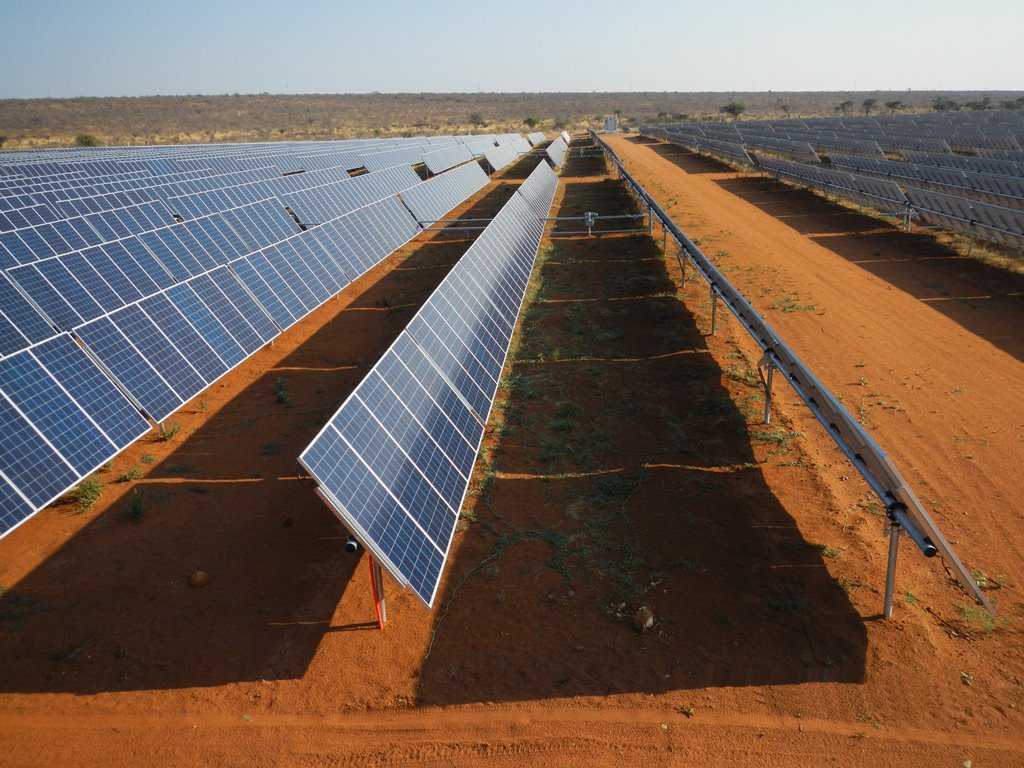
6 MWp Ejuva 1 (Gobabis), Omaheke Region, Namibia
LEARN MORE
Developer (IPP): CIGenCo / EPC: Conco Energy Solutions – Leading the EPC Contractor’s team throughout the project life cycle, we were involved from the very early stages of project development, throughout EPC Contract negotiations, the execution of the works, until the solar PV plant was handed over to the operations and maintenance (O&M) contractor. As the EPC Contractor’s single point of contact, we managed all upstream and downstream project interfaces. This was a challenging project executed on several Limited Notices to Proceed (LNTP), whilst ongoing negotiations with the Project Owner continued. The project had to be completed before the Long Stop Date in order to avoid the termination of the Independent Power Producers (IPPs) respective Power Purchase Agreements (PPAs) with the electricity utility Nampower. By collaborating with all stakeholders, the project was executed successfully. The project was concurrently executed with another adjacent project Ejuva 2.
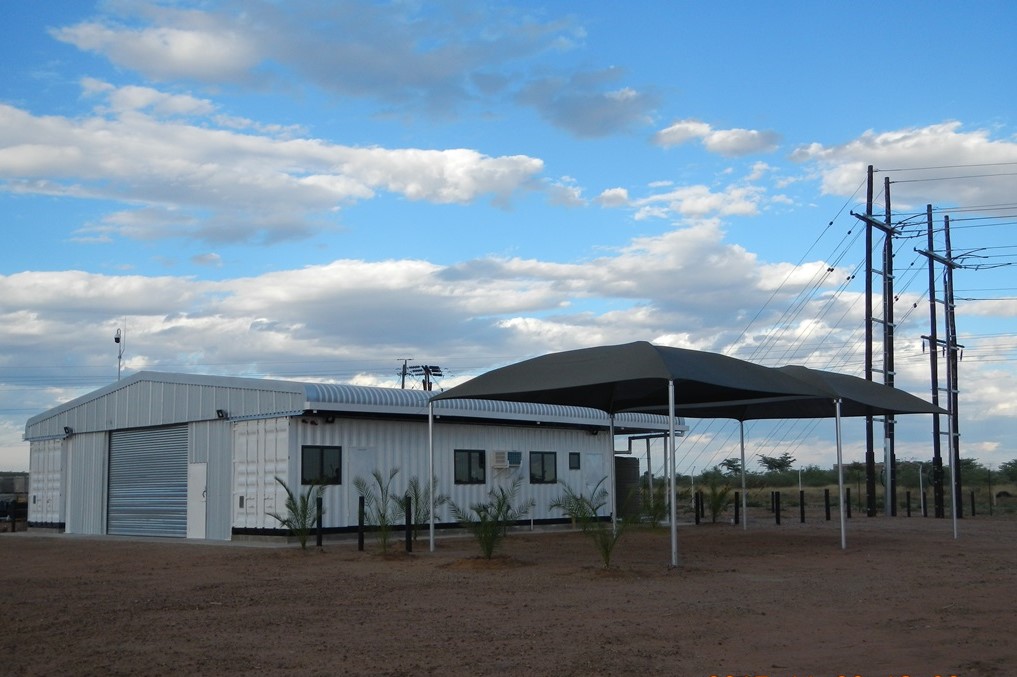
6 MWp Ejuva 2 (Gobabis), Omaheke Region, Namibia
LEARN MORE
Developer (IPP): CIGenCo & EPC: Conco Energy Solutions – This project was concurrently executed with Ejuva 1. Meticulous planning and control resulted in the completion of both projects, fulfilling all contractual obligations of two separate EPC Contracts, whilst dealing with two separate Independent Power Producers (IPPs). During the early planning stages, we provided the EPC Contractor with numerous value-added conceptual designs, which were eventually incorporated into the final designs. These designs resulted in ease of installation and equipment placement and enhanced the overall quality of the facility.
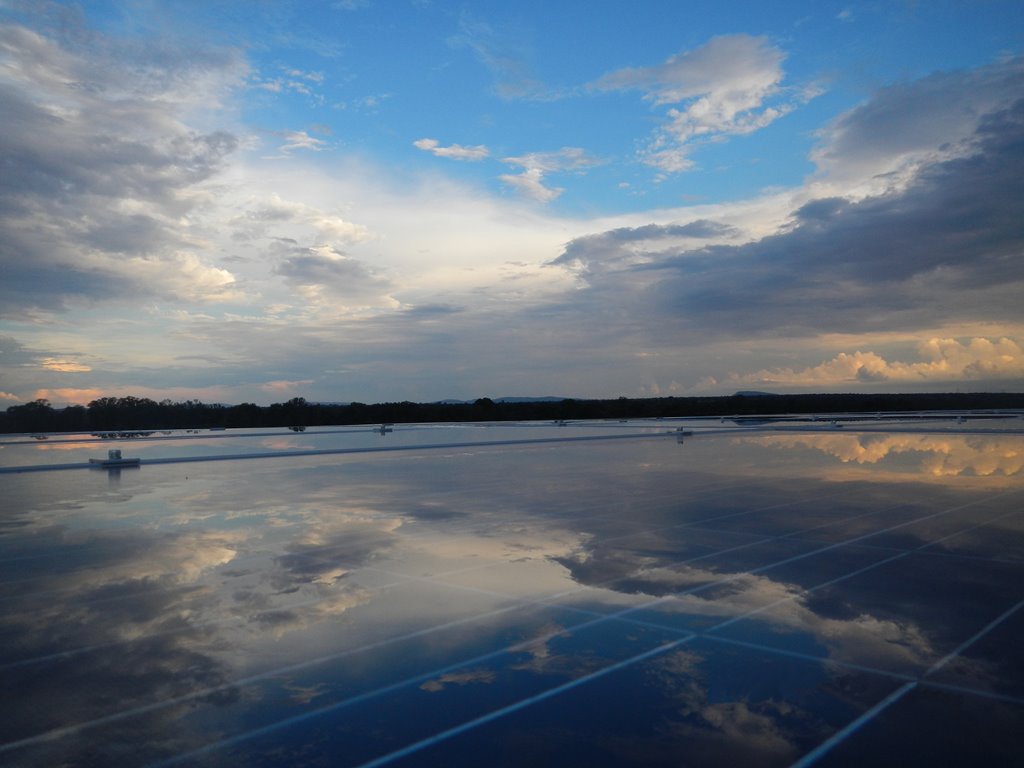
30 MWp Witkop, Limpopo Province, South Africa
LEARN MORE
Developer (IPP): SunEdison & EPC: ABB – We were specifically appointed by the Project Developer to assist the EPC Contractor to fulfil its obligations in terms of the EPC Contract. This project was already in distress at the time of our appointment. We were also responsible to manage the project, on behalf of the Independent Power Producer (IPP), in terms of the Power Purchase Agreement (PPA). A balanced approach was necessary to support the EPC Contractor, without directly interfering in the daily execution of the works.
We successfully developed and implemented the Project Recovery and Acceleration Plan, which resulted in the mitigation of delays caused by extraordinary high rainfall, exacerbated by insufficient planning of the developer and EPC Contractor, prior to our appointment. We further developed and implemented a simple project progress monitoring and reporting programme in the form of a colour-coded dashboard, showing the project’s key progress indicators. By removing the clutter from existing reports and focusing only on critical tasks drove the project forward. The programme further assisted us to monitor progress daily, without the need to peruse cumbersome construction reports, which often hides critical information needed to effectively manage the project.
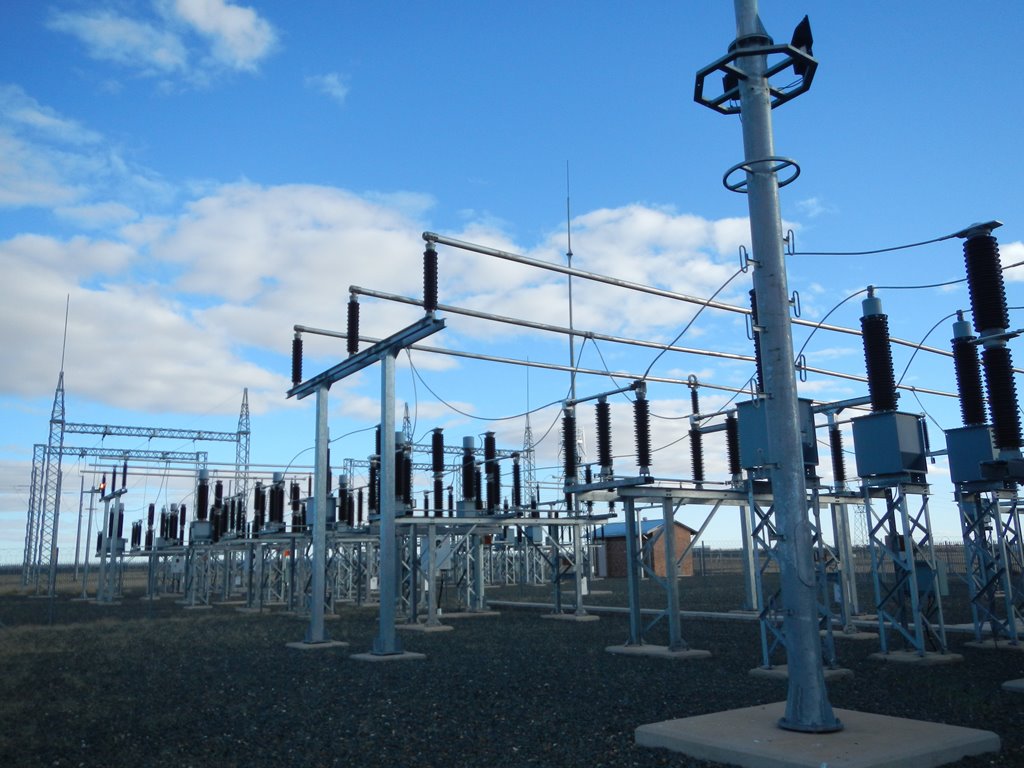
66 MWp Boshof, Free State Province, South Africa
LEARN MORE
Developer (IPP): SunEdison Engala & EPC: Basil Read Matomo – One of our core functions was to investigate reasons for noticeable delays in the installation of the solar PV trackers and to propose possible solutions to accelerate the works. It soon became apparent that the biggest construction challenge was inconsistent ground conditions, which resulted in costly and time-consuming reworks of the tracker posts (IPE Beams).
At the time of our appointment, the preferred installation method for the tracker posts was the pile-driving technique, or commonly known as ramming. Contractors relied solely on findings of the Geotechnical Report, which concluded that ground conditions were suitable for ramming. Unfortunately, this was not the case, as in certain areas rammed posts were often damaged and / or misaligned rendering the construction of the tracker impossible.
The developer free issued, inter alia, all the tracker components, including the posts. Wastage was excessive, not only in terms of material, but also in terms of the time required for reworks, causing severe delays. By changing the construction sequence and installation method from ramming to drill-and-concreting dramatically improved the situation. The biggest lesson learned is that in certain geographical regions, geotechnical reports could be misleading. We therefore recommend preconstruction drilling of test holes, or experimenting with ramming, before finalisation of the detailed designs and the project’s budget, as failure to due so could have dire consequences for developers and contractors alike.
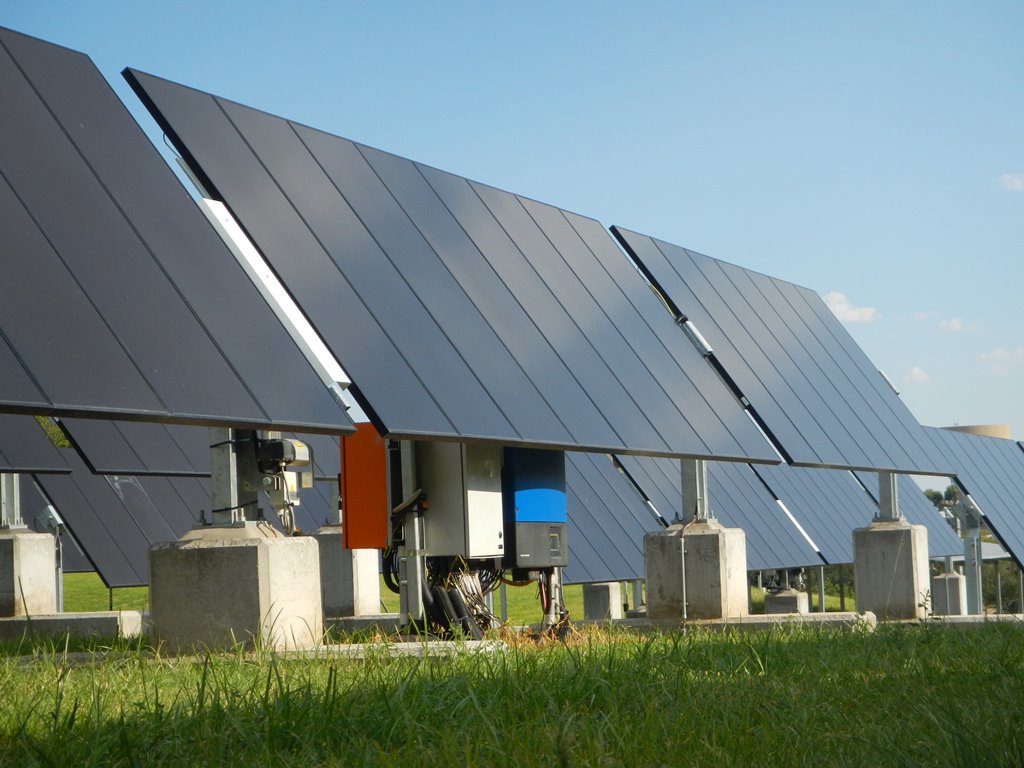
400 KWp Eskom Rosherville R&D, Gauteng Province, South Africa
LEARN MORE
Developer (Client) Eskom & EPC: SunEdison Basil Read Matomo – This solar PV power plant was built as a research and development (R&D) facility for the South African electricity utility Eskom. The plant incorporates nine different solar PV installation configurations, utilising two different Solar PV Module technologies. Both fixed tilt and single axis solar PV trackers are used. The plant also has a container-based switchgear and control building, incorporating a powerful SCADA system and human machine interface (HMI). Power plant parameters are displayed in real time and can be remotely accessed via the broadband satellite communication system. Dedicated backup servers, a comprehensive security system, incorporating pan-tilt-zoom (PTZ) closed circuit television (CCTV) cameras, and a dual redundancy uninterrupted power supply (UPS) complete the installation.
During execution we had to overcome various technical and commercial challenges. Although the project was relatively small in terms of installed DC capacity, high expectations, the extraordinary technical complexity and a tight budget made this project extremely challenging. To overcome these challenges, we maximised the utilisation of limited resources, exercised tight control over the project budget, avoided scope creep and ensured team members fully understood what was expected from them.
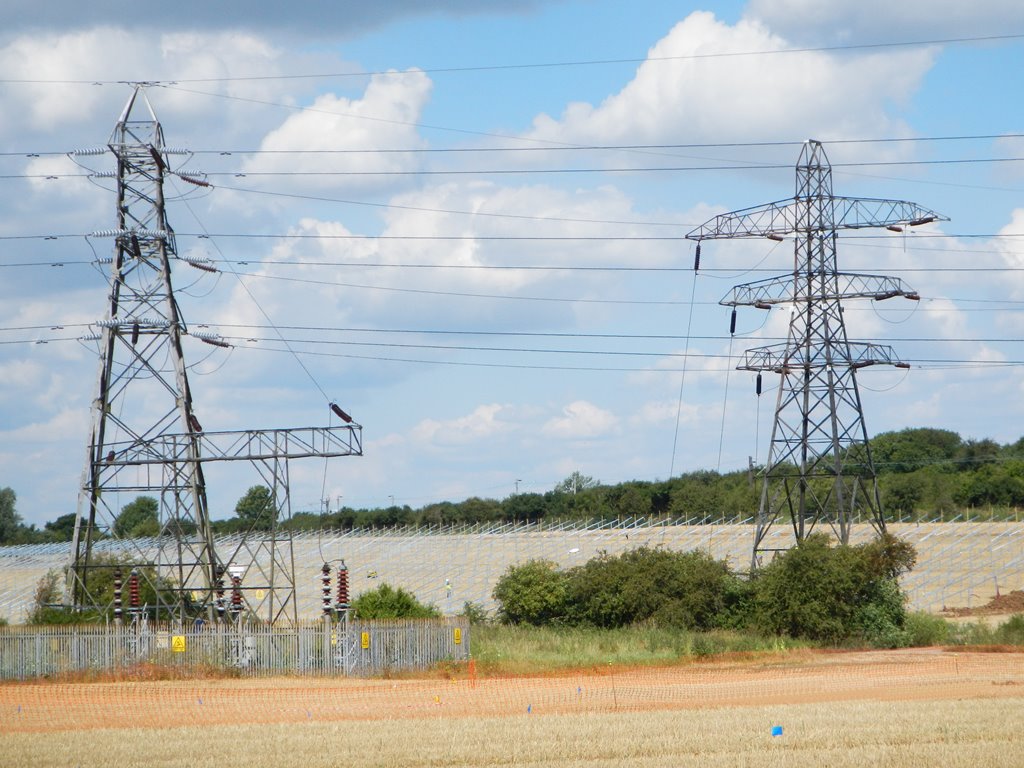
12 MWp Fairwind, Essex, United Kingdom
LEARN MORE
Developer (IPP): MS Power Projects & EPC: SunEdison – This project is a perfect example of how proper planning during the early stages of a project led to effortless execution. During the early planning stages, we developed a project specific progress monitoring and corrective action procedure, based on a combination of lean construction and Agile project management methodologies. When the construction works commenced, we provided mentorship for subcontractors to effectively adopt these principals in the execution of the works. As a result of meticulous planning during the early stages of the project, the plant was successfully constructed in only three months. This project illustrates that the repetitive nature of solar PV construction works are perfectly suited to lean construction methodologies, provided the process is led by a strong project management team, equipment and materials are readily available, there is an effective supply chain and the construction works are carried out by experienced multiskilled technicians.
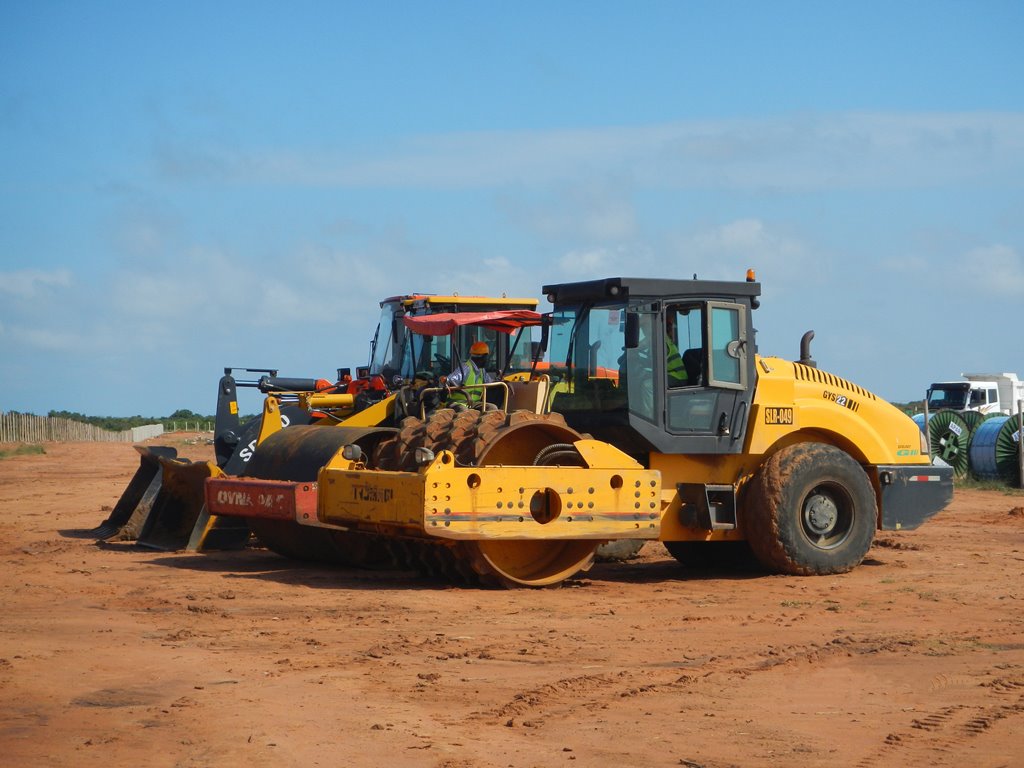
40 MWp Mocuba, Zambezia Province, Mozambique
LEARN MORE
Developer (IPP): CESOM & EPC: Scatec Solar – This project was characterise by extensive preconstruction activities with the emphasis on the identification of risk and implementation of effective mitigation measures. Numerous preconstruction site visits were conducted to evaluate port infrastructure, external access roads, the availability of local resources and site conditions. Due to the remoteness of the plant’s location and adverse weather conditions occurring regularly in the region, meticulous planning was necessary to ensure the health and safety of construction site personnel. The lack of suitable site access roads posed a significant threat, not only in terms of logistics, but also in case of emergency evacuations. We were instrumental in the preparation and drafting of all construction related documentation, including the communication protocol and project specific document control, quality control (QC) and emergency evacuation procedures. We advised the EPC Contractor on preferred construction methods suitable to site-specific conditions and the technical ability of the local labour force. Other functions included the preparation of the Baseline Project Programme (Schedule), evaluation of subcontractor proposals and the appointment of the EPC Contractor’s site team.
52 MWp, Malindi, Kilifi County, Kenya
LEARN MORE
Developer (IPP): Globeleq & EPC: Sterling & Wilson – On this project we were appointed by the EPC Contractor to formulate a turnaround plan for the project, which faced numerous technical and commercial challenges at the time. After a thorough root cause analyses, restructuring of the project execution team, reviewing of all contractual documentation, negotiations with stakeholders, including the Project Developer and Independent Power Producer (IPP) and termination of underperforming subcontractor’s agreements, the project was ready for the comprehensive Project Recovery Plan to be implemented. Utilising our extensive network of experienced consultants and contractors, we advised the EPC Contractor on possible solutions to overcome the existing challenges to successfully complete the project.

46 MWp Aggeneys, Northern Cape Province, South Africa
LEARN MORE
Developer (IPP): BioTherm & EPC: ET Solutions – Overcoming rigorous contractual and statutory health, safety and environmental (HSE) challenges, combined with economic development (ED) obligations and skills upliftment programmes, differentiate this project from others. The construction of a solar PV plant amidst endangered flora, in a remotely situated arid region required exceptional skill and patience. Another challenge was the rigorous contractually binding employment criteria dictating the number of site employees a subcontractor had to appoint and from which geographical area. This was only possible through continuous vetting by and liaison with local authorities. Striking the right balance between a tight construction schedule, budgetary constraints and strict HSE and ED contractual obligations was the key to this project’s success.
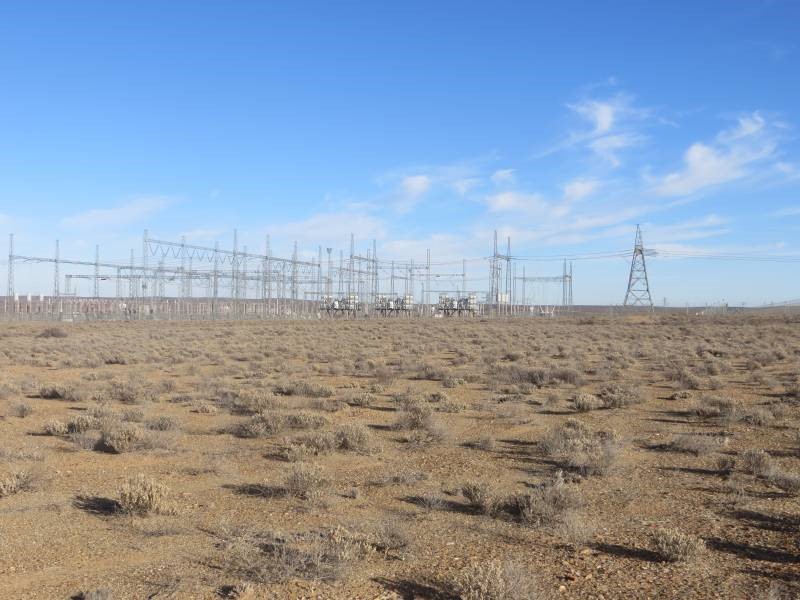
86 MWp Orange, Loeriesfontein, Northern Cape Province, South Africa
LEARN MORE
Developer (IPP): Solar Capital & EPC: Sterling & Wilson – As the power of attorney appointed by the EPC Contractor’s Board of Directors, we were responsible for all project management responsibilities, including all legal and financial matters pertaining to the contractor’s obligations in terms of the EPC Contract. Appointed at the early planning stages of the project allowed us to manage the project effectively. After the drafting of the Project Charter, we assisted the EPC contractor to fulfil outstanding contractual obligations prior to Notice to Proceed (NTP). Preparing documentation to satisfy the conditions precedent was one of our main functions. We further drafted the Project Organogram, developed the Project Resource Plan, appointed key personnel, and evaluated proposals of prospective subcontractors, suppliers and service providers.
Lessons Learned
Failure to record Lessons Learned during the final phase of a project often results in the repetition of costly mistakes. For future reference, we keep accurate records of all previous project failures and / or factors which had led to undesirable outcomes. We continuously compile and update information, not only of our own projects, but also from other projects shared by project management practitioners in our network. Throughout a project, we work closely with our clients to avoid or reduce the risk of any reoccurrences, taking lessons learned into consideration.

Project Manager appointed too late
There is a common misperception of what constitutes a project and when it starts. PMBOK® divides a project into five phases, but it is common practice for many companies to only appoint a designated project manager much later during the execution phase, after the project’s initiation and planning phases have been concluded. By neglecting project planning, which is the single most important phase in the project life cycle, businesses severely increase the risk of their projects failing.
It is universally accepted that projects initiated, developed and planned without the input of competent and experienced project managers usually fail. Appointing project managers only during the execution phase almost always have disastrous consequences. Benjamin Franklin once said: “If you fail to plan, you are planning to fail.” But even before the project manager can commence with any planning whatsoever, a thorough understanding of the project’s objectives, milestones and associated risks is required. Utilising our services as your independent project management consultancy on a Time Basis during the early initiation and planning phases is the most cost-effective way to mitigate future risks and ensure ultimate success of your project.

Commencement without a Project Charter
Many companies still commence with their projects without a Project Charter. The Project Charter should not be confused with the Project Management Plan. The Project Charter deals with what needs to be done to create value by aligning the project’s deliverables with the organisation’s strategic business objectives, whereas a Project Management Plan deals with the details of how this could be best accomplished.
The Project Charter, inter alia, authorises the project manager to utilize the approved resources to execute the project, guarantees funding by the project sponsor, limits expenditure to the approved preliminary project budget, defines the roles and responsibilities of team members and serves as the yardstick by which success will be measured.
When a project started to fail and the blame game begins, our first request is to review the Project Charter, if it indeed exists. A common response usually is “No, we don’t have a Project Charter, because we don’t need one.” Project execution teams often tell us that it is not their first project, they know what they are doing, they have completed many similar projects over the years and the only reason this specific project is failing is because of unforeseen circumstances they could not have anticipated. When the situation becomes dire, instead of trying to understand the real issues, executives usually respond by just throwing money at the problem with the hope something valuable will come out the other side, which usually only exacerbate the situation. It is no wonder that more than 60% of projects fail. Denying responsibility and simultaneously dismissing the importance of a Project Charter contribute little to facilitate a possible turnaround.
The Project Charter is the foundation on which the project is built. No matter how competent and experienced your project execution team is, not having a Project Charter greatly increases the likelihood for failure, especially when unexpected changes to the organisational structure occur, unforeseen operational challenges arise, or budgetary constraints become evident. A properly drafted Project Charter approved and signed by the Project Sponsor addresses all these issues and will greatly improve the changes of your project being delivered successfully.

Lack of effective Health, Safety & Environmental Protocols
Direct costs as a result of Lost Time Injury and Lost Time Accidents are well documented, but it is the indirect and hidden costs, such as reputational damage and loss of market share, which should be cause for concern. The first is relatively easy to manage and when incidents do occur, compensatory damages are usually covered by innovative insurance policies. The irony is that many companies often ignore the latter for which sufficient insurance policies do not exist. Hidden costs resulted from undesired and often avoidable incidents dramatically increase a company’s costs of doing business, thus reducing their competitiveness.
Health and safety in the workplace have a long history and environmental concerns have become especially prominent during the last two decades. A company’s corporate image could be adversely affected when it is perceived to have acted irresponsible. The true cost of reputational damage could exceed multi-billion dollars and have a detrimental effect on current and future business. For some it could even lead to permanent closure.
In today’s global, fast-moving social media landscape it is crucial to have a strategy to protect one’s reputation. The quicker issues are identified and subsequently addressed, the better. Properly drafted health, safety and environmental (HSE) protocols are essential to manage these risks and should be part and parcel of project management plans. Furthermore, adherence to such protocols is non-negotiable and should be managed accordingly.

Costly Design Failures
Design failures are always costly and destroys value. Design blunders should never be tolerated and is primarily caused by inadequate design review procedures, or non-conformance to such procedures. Designers neglecting to take site-specific conditions into consideration, resulting in equipment failures under normal operating conditions, is unacceptable. Such failures often trigger Serial Defect clauses with dire consequences and should always be avoided.
Notwithstanding, most design failures occur when there is a lack of synergy between design and construction teams, or when the design team fails to understand practical transportation, rigging, or other installation methods, which often results in either an impractical low-cost design, or accidental complexity of the design, both of which causes inefficiencies during construction. When a balance between a cost effective and a functional design is not struck, construction delays and compromised quality are inevitable. Poor quality of works and subsequent bad user experiences, no matter how insignificant these may seem, reduces the end product’s perceived value, which in turn reduces trust in the product and damages the reputation of your business.
If the complexity of a design could not be avoided, off-site manufacturing alternatives should be considered. Quality Assurance (QA) is always easier to achieve in a controlled factory environment, than on a construction site which is prone to adverse weather conditions and other risks.
When designing solar PV power plants to perform optimally and reliably for a period in excess of twenty years, Design-to-Value (DtV) could be more beneficial than Design-to-Cost (DtC) engineering practices. Incorporating value engineering methodologies during the detailed design and engineering phases of your project, where the benefits are the greatest, will not only prevent costly design failures, but also eliminate any future unwanted construction difficulties, thus ensuring the quality of the installation and timeous completion of your project.

Shortsighted Cost Saving Initiatives
Beware of penny wise, pound foolish decisions, especially during the early planning stages of your project. Ironically, shortsighted, ill-informed decisions to cut costs may later jeopardise prospects of projects being completed within budget. This is usually a consequence of poor planning, caused by lack of knowledge and inadequate assessment of risks. The biggest challenge is the prioritising of funds and resources to best achieve the project objectives by identifying and mitigating possible risks.
To achieve this, a realistic Baseline Cash Flow Projection Statement is required. The allocation of funds and resources must be meticulously considered, including sufficient funds for crucial tasks during project initiation and planning. We often found, overemphasising cost saving initiatives during the early stages of a project results in overspending during the execution phase, mainly because of inadequate planning and the fruition of risks that could have been avoided.
The delayed appointment of the project manager and / or other specialist consultants to save costs may seem reasonable at first glance, but subsequent crises management and overspending during execution quickly erode any prospects of staying within budget. The relatively small percentage savings early in a project is not worth the risk of major overspending later.
When project team members work in isolation without the necessary guidance and leadership of a competent and experienced project manager, an accurate, or realistic Baseline Cash Flow Projection Statement remains a pipe dream, littered with inconsistencies and misalignments. We have come across many instances where the Baseline Cash Flow Projection Statement did not collate with the Contractual Payment Milestone Schedule and even worst, the Contractual Payment Milestone Schedule did not collate to the Baseline Construction Schedule, which rendered effective control over the project’s finances impossible.
Another example is poor contractor and material selection to save direct cost without considering possible negative consequences, such as delays and poor quality of the works. Proper evaluation of contractor proposals is crucial to ensure lower quoted prices do not relate to lack of capacity, or inadequate resources, which could severely curtail the execution the works. Possible contractual liquidated delayed damages (LD’s) and poor plant performance are often the result of mediocre contractor and inferior equipment selection. Although scrupulous management of project funds and resources are crucial, reckless cost saving initiatives often have the exact opposite effect of its intended purpose.
Rates and Fees
Our rates and fees are determined by Terms of Reference agreed upon by our clients, prior to the commencement of any consultations and / or services rendered. Prospective clients are requested to contact us to discuss and formulate the Terms of Reference prior to us submitting a Quotation or Cost Estimate for your consideration.

Clients will be billed either a Fix Amount, or an Hourly Rate for services rendered. Services based on a Fixed Amount will be billed during the duration of a project, usually monthly in arrears and in accordance with an agreed upon Payment Milestone Schedule.
Quotations will be provided for services rendered on a Fixed Amount. For Time Based services we are unable to provide a Quotation and / or Fixed Fee, but will be able to provide you with a Cost Estimate based on previous experience and industry best practice. A Cost Estimate is merely intended to be an estimate of fees and is in no way deemed to be a quoted fixed amount. A Cost Estimate is neither absolute, nor enforceable against Robert Meyer Project Management (RMPM).
When you consult with us or should you desire to become a client of RMPM, you will be required to read and sign our Standard Fee Agreement and Mandate which sets out in detail the fees, disbursements and expenses that you will be invoiced for consultations and / or services rendered.
Due to the nature of projects, irrespective whether our services are based on a Fixed Amount, or Time Basis, additional unforeseen expenses, disbursements, correspondent fees, travel and accommodation costs, document printing and binding costs, stationary, etc. will also be charged to your account as per our Schedule of Fees.
Hourly Rates and other Fees are available in our Schedule of Fees which will be included in our Quotation, or Cost Estimate whichever option the client prefers.
Contact Us

V&A Waterfront, Cape Town, Western Cape, South Africa


+27 83 444 2976
Please complete the questionnaire below: